Sunday, 22 June 2014

Whale Watching Season

It's officially my favourite time of year again- whale watching season!! Years ago, we lived in a place that had a 180 degree view of the ocean, meaning we got to whale watch every day through winter. I can no longer do that as we have moved, but now I head off to the local national park which has an amazing lookout for whale watching. Living about an hour North of Sydney, we have between 60 and 70 whales pass our coastline each day. My favourite whale, like most Australians, is our albino whale - Migaloo who passed our shore a few days ago, although I haven't seen him in person before. These whales are heading North to warmer waters for Winter.


I encourage all Aussies to head to their closest whale watching site, as it is such an amazing experience to see these enormous mammals in real life. Just remember to take your binoculars! You can use this website for recent whale spottings: http://www.wildaboutwhales.com.au

Until next time,
Keep loving the green life

Sunday, 13 April 2014

Calculate your ecological footprint

Hi everyone, 

Here is an interesting website where you can calculate your ecological footprint. We are using so many resources that on average for our population to keep living like the average American, we would need 5 planet earths to sustain this level of living. So take the quiz see what you are at and figure out some small ways to change the way you impact our world:

http://www.myfootprint.org/


Image from: <http://dobigthingsblog.wordpress.com/2013/06/24/follow-these-green-steps-to-reduce-your-ecological-footprint/>


Until next time,

Keep loving the green life

Sunday, 30 March 2014

Take 3 Campaign

The Take 3 Campaign is probably my favourite campaign at the moment. It involves simply picking up 3 pieces of rubbish with you each time you visit a beach, national park or coastline and placing it in the rubbish bin. This will make a significant impact if every person participates, as less plastic and rubbish will end up in the ocean. One of the top reasons marine life dies is due to consuming so much rubbish, leading to death. Australia alone has 4000 pieces of plastic rubbish floating in each square kilometre of our oceans. There is no excuse except laziness for throwing rubbish out the car window or leaving it behind, Australia has some of the best infrastructure in the world, meaning we have bins lining most streets. Imagine if someone kept leaving litter in your home, just like you leave it in their environment...


Here is their website if you want more information http://www.take3.org.au/main/page_home.html

Until next time,
Keep loving the green life

Sunday, 16 March 2014

Muir Redwoods, California

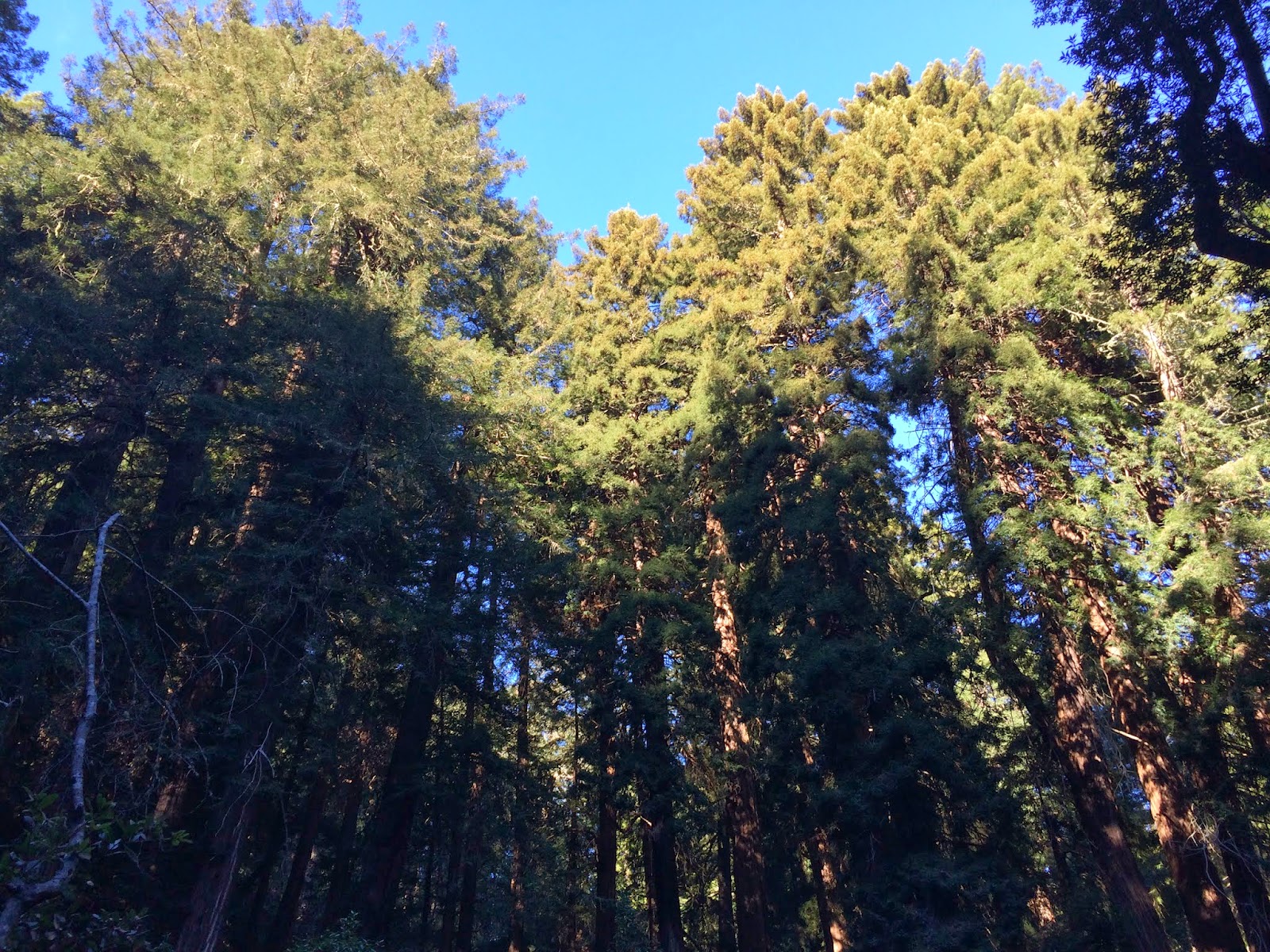
The last national park which I visited in America was the Muir Woods National Park. We took a day tour from San Francisco to see the redwoods and would highly recommend to anyone who loves nature. The redwoods are ENORMOUS and are between 500-800 years old. It is an amazing sanctuary of trees so close to the city. Here are some photos:


Until next time,
Keep loving the green life

Thursday, 6 March 2014

Mount Hood, Oregon

After we looked at the waterfalls in Oregon we went to Mount Hood. This is one of America's top skiing destinations and it was absolutely amazing. Mount Hood is a dormant volcano, but has a 3-7% chance of erupting in the next 30 years. I have read that this current snow season has a major lack of snow, most likely due to global warming, highlighting how important it is to be environmentally friendly. Here are some pictures that we took:


The Saint Bernard is the Timberline Lodge's greeter for guests and they were taking it for a walk in the snow.

Until next time, 
Keep loving the green life

Thursday, 20 February 2014

The Importance of Bees

Many people believe that bees are just useless stinging insects, however these little creatures hold enormous importance in our food industry. The honey bees are the reason we can buy nutritious foods at the shops, as they pollinate 70% of agricultural crops, allowing fruit to grow. Just some of the delicious foods brought to us by the bees include:
  • blueberries
  • apples
  • cherries
  • melons
  • grapefruit
  • avocados
  • broccoli
  • carrots
Native bees pollinate more than one third of California’s pollinator-dependent crops. Creating and maintaining habitats for native bees is vital to sustaining our food supply.

The process involves bee keepers tending to the needs of their bees. These bee hives are then rented out to farmers to use bee pollination to fertilise crops and grow food for the world. These little bees contribute $15-20 billion dollars worth of crops each year to our economy, with their value being approximately $200 billion dollars.


There are afew reasons as to why experts believe the bee population is declining so quickly. Colony collapse disorder is the main reason, this is due to the rise in pesticides worldwide, affecting the bees and killing them due to the toxins and chemicals. Other possible reasons for bee decline is malnutrition (from lack of variety of crops to feed on), toxins from genetically modified crops and climate change.


Some results of bees going extinct:


  • food prices would rise

  • farming would decline dramatically
  • the agricultral industry would collapse
  • have a small variety of fresh food limited to corn, bananas and pineapples
  • not have cotton to make clothing or coffee beans for our favourite beverages
  • it would be a pretty boring and unnutritious world to live in
Close-up photograph of bee covered in pumpkin flower pollen.
<Image from: http://earthobservatory.nasa.gov/Features/Bees/bees3.php>

So, it is important to bring awareness to this important issue as we cannot live without bees. Some solutions are to minimise use of pesticides on plants and crops, plant our own vegies, fruits and flowers to encourage bees in our own backyards and even write to our government bodies in support of researching bees.

Until next time,
Keep loving the green life

Thursday, 6 February 2014

The 5-Step Animal Welfare Rating Standards

Have you ever wondered how the chicken on your plate was raised or treated during its lifetime? Well I recently came across this amazing idea to encourage consumers to become more educated on the meat that we ingest. It is becoming more important for people to know where their meat has come from. Therefore, the American supermarket chain Whole Foods Market has partnered with the Global Animal Partnership to introduce a rating system for its meat depending on animal welfare. This allows people to understand the quality of life their product has had before we purchase it.


<Image from: http://blogs.citypages.com/food/2011/02/whole_foods_let.php>

As most of you know, the better the environment an animal is in during its life, less stressed the animal is, the less toxins it has in its system and the better tasting the meat. Therefore the higher the rating, the better the meat is. The rating system starts from 1, which Whole Foods still classifies as a breakthrough because it eliminates all crates and cages from the animals, up to 5+ where the animals have the same life of those that are on a farm.

I personally think Australia should introduce this sort of system at major supermarkets like Coles and Woolworths rather than just their regular meat and free range meat. It will bring more attention to the caged meat industry and hopefully increase the animal welfare globally. So next time you are buying chicken, turkey, beef or pork, if it does't have any information about its welfare, it is most likely from a crammed cage or shed environment. 

Until next time,
Keep loving the green life

Thursday, 30 January 2014

The Grand Canyon

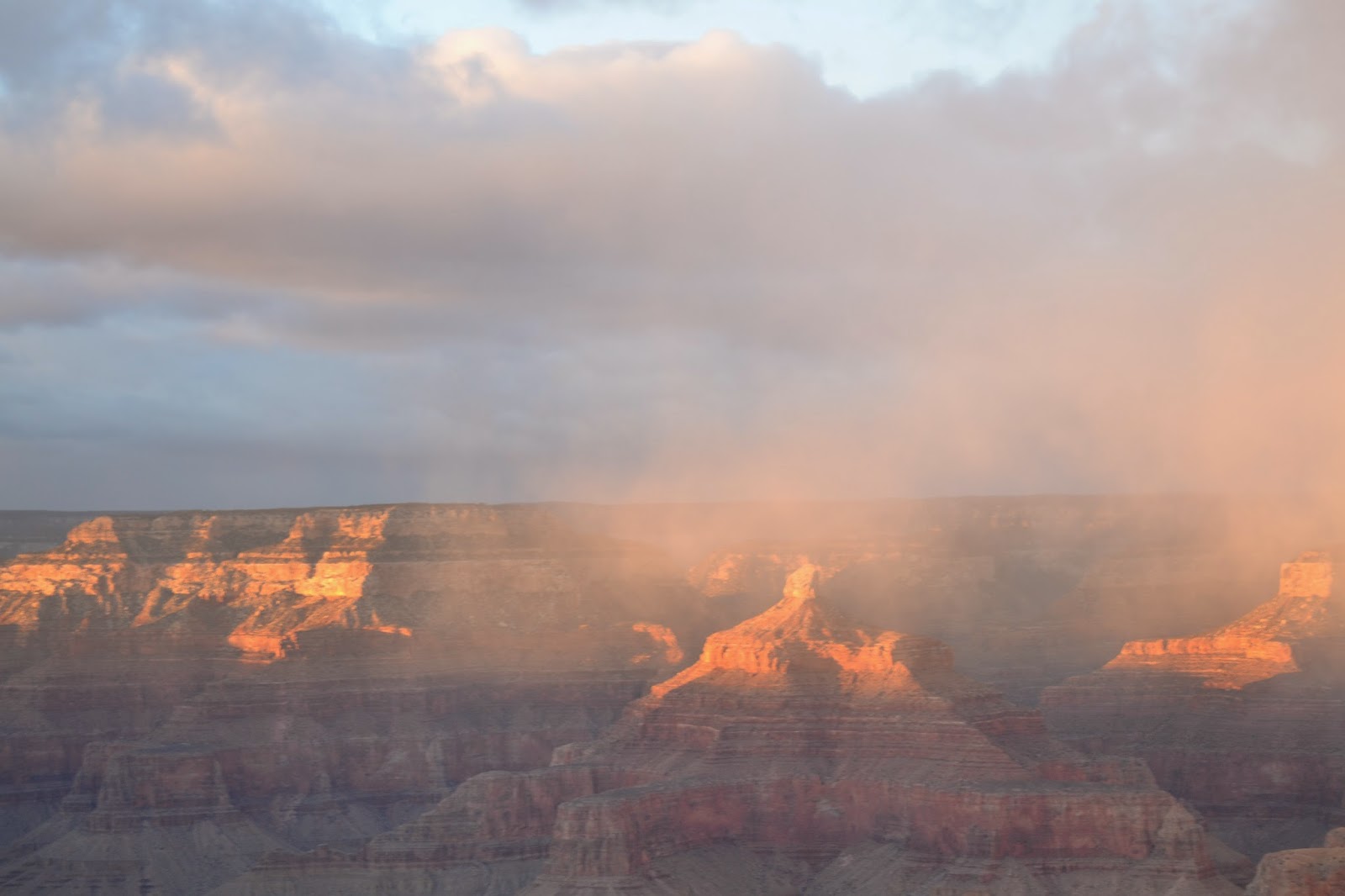
I just wanted to share some photos from when we visited The Grand Canyon National Park, it was absolutely amazing! It is so hard to even imagine the enormity of the canyon when looking at it in person. We spent about 4 hours driving there and 4 hours driving back to Las Vegas, starting at about 5:30am. It was a great day, as we were on a mini bus with 3 other Australians. After the huge trek, and after stopping by Hoover Dam and Route 66, we arrived directly at the edge of the canyon. I could not believe that there were no railings or barriers surrounding the edge to protect from people falling. Even photographs don't do it justice.


The image above was a snow storm moving into the grand canyon later in the day. It was about -10 degrees Celsius.


The spectacular sunset in the images above was the highlight.

Until next time,
Keep loving the green life

Thursday, 16 January 2014

Portland Waterfalls

We went to Portland, Oregon for about a week and it was such an amazing place. Everyone was so friendly compared to the other cities we went to. There were recycling bins everywhere, so many people ride their bikes and own electric cars. People buy local produce and don't support multi national corporations. One day we drove out to the waterfalls and they were spectacular. It was so cold that parts of the waterfalls are frozen. Here are a few pics:


Until next time,
Keep loving the green life

Thursday, 9 January 2014

Yosemite National Park

I hope everyone had a great holiday! I recently went to America in December with my boyfriend and visited several national parks. It was winter, however some would argue that this is the most beautiful and unique time to visit these national parks. The most amazing and spectacular park we saw was Yosemite. It just takes your breath away once you arrive. It took about 4 hours to drive there and it was definitely worth the trip. The first thing we saw was endless number of burnt trees from the recent wild fire. They were logging all the burnt trees as that particular type does not recover once it is burnt. They are then replanting two small trees for each large tree. The area is expected to recover in about 200 years!


Once we descended into the valley, we could not believe our eyes, photos cannot portray the beauty. You really have to see it for yourself to appreciate the nature. We were lucky as it had snowed the day before in the valley and got to enjoy the snow in warm temperatures. Here are a few pics:


I would highly recommend travelling the distance to see Yosemite, next time we visit we will spend at least 3-4 days there rather than 3-4 hours as we only got to do 2 small walks.

Until next time, 
Keep loving the green life

Tuesday, 19 November 2013

Disney's Environmental Initiatives on America Recycles Day

Hey everyone,

As you are probably unaware, I am an enormous Disney fan and have been going to Disneyland and Disneyworld since I was a baby. In fact I am going to be there is just 2 weeks!
Image from: http://www.disneytouristblog.com

However, growing up, I never really thought about my impact on the environment and I was not educated on this at school. Throughout the past few years, since graduating high school and completing my environmental degree, I have grown to understand how we must take care of our planet, as it is the only one we have. I want my children one day to live in an environment that is healthy and sustainably managed unlike the one today. So, when I found this video created by Disney outlining their current recycling and environmental initiatives I was really excited. It is extremely difficult for an enormous multi national company to be completely sustainable but I can not see a world without these powerful companies anytime in the near future. It did make me happy to see this as I believe every bit counts. If one of the world's largest and most powerful companies influences others to undertake environmentally sustainable practices, then the world will definitely be a better place. Yes, I know Disney does contribute towards pollution and greenhouse emissions, but Disney is definitley on the right track. Please watch and let me know what you think!


Until next time,
Keep loving the green life

Monday, 11 November 2013

Greenwashing

Recently at university I learnt about the concept 'Greenwashing'. This is when a company claims to be environmentally friendly to improve their business image of their brand but they are misleading consumers. It has been found that 95% of products claiming to be 'green' had actually committed at least 1 negative environmental impact. The average person is finding it extremely difficult to tell which companies are actually helping the environment and those who are not.


Image from: <http://www.futurelab.net/blogs/marketing-strategy-innovation/2008/07/how_bad_is_greenwashing_really.html>


To help you when choosing products at the shops, here is a small picture of companies who 'Greenwash' their customers and we should aim to avoid them:
Image from: <http://www.guypearse.com/wp-content/uploads/2012/10/UQ-GCI-Greenwash-Launch-with-slides-11-Oct-2012.pdf>

So some of your favourite companies who claim to be green are likely not, keep an eye out next time your buying something and maybe do some research to figure out who is genuinely trying to improve our future and who is trying to make a big profit.

Until next time,

Keep loving the green life

Monday, 4 November 2013

Story of Stuff

This is a video which we had to watch at university a while ago, but it sends a great message that humans live in a consumer society and we really need to take a look at what we are doing to each other and the world...


Until next time,

Keep loving the green life


Monday, 28 October 2013

Yellowstone National Park

Yellowstone National Park is a very historical and special piece of nature as it was the first national park ever established in 1872 in Wyoming, USA. It is a very popular place for nature lovers to visit as it is a landmark full of diversity and resources. There are amazing bush walks and fantastic bird watching, where you can enjoy landscapes of mountains, forests and greenery. After a great hike, you can also enjoy an afternoon in the hot springs.


Image from: <http://www.rockymountainmagazine.com/national-parks/yellowstone-national-park/>

This amazing place is definitely on my 'to visit' list as there are a great variety of animals which you can observe such as the American Bison, Black bears, Grizzly Bears, Moose and Mountain Lions. After watching some documentaries on the Animal Planet, the backcountry seems like the place to go for a truly memorable experience. Although it is riskier, you get to see animals completely in the wild. 

Image from: <http://castle.eiu.edu/~wow/classes/fa09/Yellowstone/yel_lessons.html>

Until next time,

Keep loving the green life

Monday, 21 October 2013

5 Tips To Improve The Nature In Your Backyard


Anyone can help to improve the world's biodiversity by starting in your backyard. Making a few minor changes in your backyard allows to you to grow your own ecosystem.

<Photo from: http://ferncreekdesign.org/backyardecosystem.html>

Compost bins

Having a compost bin is great as you can throw all your food and garden scraps in it and soil will begin to develop along with micro-organims and biodiversity. Here are just a few things to throw in there.
  • Vegetable and food scraps
  • Tea leaves and tea bags and coffee grounds
  • Vacuum cleaner dust
  • Garden scraps
  • Used vegetable cooking oil
  • Egg shells
  • Old newspapers (wet)
  • Sawdust (not from teated timber)
  • Wood ash
  • Human and animal hair

Bird bath and bird feeder

These will encourage a large variety of animals to create a home in your backyard. The birds will take baths and eat bird seed in your backyard. Birds will eat bugs in your backyard, aerate the soil and attract bugs that pollinate. It is important to wash these regularly though to prevent spread of infection among the bird population.

Small vegie or herb garden

Making your own vegie or herb garden will provide you with organic fresh produce. But it will also encourage insects such as bees who pollinate in your own garden. You can add waste from here into your compost bin. You also save money, there is greater quality in the food and you will spend more time outside.


No pesticides or fertilisers

Instead use natural solutions such as your own compost, kelp or animal manure is great for fertilising your plants. You can make a homemade pesticide by crushing a bulb of garlic and covering with vegetable oil, then strain the liquid and add a few drops to 1 litre of water  to prevent any pests from eating your vegetable garden.

Variety of plants

By investing in a variety of plants in the garden you can then create your own community. Animals including insects and birds will love the variety and start to use the garden as their habitat. They can gain shelter, look for food and even reproduce in the safety of your garden.


Until next time,

Keep loving the green life

Monday, 14 October 2013

Ways to Reduce Energy Use Around Home


Recently, carbon dioxide levels reached 400 parts per million and during the 800 000 years prior to the industrial revolution, CO2 levels never exceeded 300 parts per million. So this is an important wakeup call for everyone as the higher the carbon dioxide levels are, the greater impact climate change will have including increased temperatures and rising sea levels.

We should all be making an effort to reduce our energy consumption at home as every little bit counts. The tips are very simple and cost very little to do, here they are:


1. Next time you are shopping for an appliance, always look for the energy use rating. The more stars, the less energy used, like the one below.

<Image from: http://energyrating.com.au/rf5.html>

2. Always unplug any appliances after you have used them, including the TV, washing machine, microwave (75% of the power used at home is when appliances are turned off)

3. Change all your lightbulbs to fluroescent or LED bulbs which cost more initially but will use 75% less energy and last 10 times longer than regular lightbulbs.

<Image from: http://planetforward.ca/blog/ikea-ban-the-sale-of-incandescent-light-bulbs-a-bright-idea/>

4. Approximately 50% of energy is used to cool or heat the home, so it is important to have efficient insulation in the walls to avoid using a heater or air conditioner.

5. When doing a load of washing only used cold water not hot water, then hang your clothing outside to dry rather than use a clothes dryer.

As well as improving the environment by reducing any harmful emissions, this will also reduce costs of you energy bills. 

Until next time,
Keep loving the green life

Monday, 7 October 2013

The Great Barrier Reef

The Great Barrier Reef on the Queensland coast of Australia is one of the seven natural wonders of the world. It consists of 3000 different reef systems, hundreds of tropical islands and immense biodiversity. It is the only living thing that can be viewed from space. There are over 400 types of coral, 1500 types of tropical fish and some sea turtles being more than 120 years old. This gorgeous reef used to be pristine, however there are various human threats which may lead to the demise of the Great Barrier Reef. The main threats according to the WWF are listed below:


Image from <http://www.greatbarrierreef.org/about.php>

  • Climate change is the major threat as it is increasing ocean temperatures, acidification and sea levels which have enormous impacts of the reef ecosystems.
  • Coral bleaching is when the coral looses pigmentation due to stress of environmental and human impacts. Surveys show that 60% of the reef haas already experienced bleaching.
  • Pollution due to human activity has lead to reduced health of the reef. More than 1/3 of the reef has been affected by human pesticides.
  • Overfishing based on the high levels of demand by humans. Trawling for prawns is allowed in 1/3 of the marine park but leads to bycatching precious native animals and plants.
Image from <http://www.anzang.samuseum.sa.gov.au/index.php?blog/show/Our-Impact-2009.html>


By understanding the major threats to the reef, it is vital to realise that we need to live a sustainable life and minimise our impact on the environment as these threats may mean that the next generation cannot enjoy the beauty of the Great Barrier Reef.

Until next time,
Keep loving the green life

Monday, 30 September 2013

Greenpeace Australia: Stop Coca-Cola trashing Australia video

Hey guys I saw this video on YouTube and think it is a great idea to spread the importance of littering in regards to our sea birds. As you would already know, littering is terrible for our natural environments. It causes the death of up to 1 million sea creatures each year and 85% of sea birds are affected by this rubbish. Coca Cola has recently tried to stop a recycling program in the Northern Territory where you get a 10 cent rebate for each bottle or can handed in. This program has been highly successful in South Australia where 81% of bottles are recycled (twice the amount of the rest of Australia). This video is going viral, with almost 1.5 million views.


Until next time,

Keep loving the green life

Monday, 23 September 2013

Beagle Freedom Project

A while ago I came across this amazing organisation, The Beagle Freedom Project. Many people don't realise that animal testing is still a huge issue across the world and especially in America (70 000 dogs alone were used for animal testing in America in 2012). Beagles are very popular for animal testing as they are very forgiving and passive natured.


There are some alarming statistics on the BFP website such as 106 000 people die from drugs tested as 'safe' on animals every year and less than 2% of human illnesses are seen on animals. Therefore testing drugs and cosmetics on animals is largely unnecessary. The Beagle Freedom Project rescues beagles (and other animals) from laboratories once they are no longer 'usable', they then rehabilitate them and adopt them to dog lovers to start their new life as a dog.


Please visit their website: http://www.beaglefreedomproject.org/ to find out more, where you can volunteer, adopt rescued beagles and donate money towards this amazing cause.

Until next time, 

Keep loving the green life

Monday, 9 September 2013

Place of Interest: Lamington National Park, QLD

Lamington National Park is one of my favourite places that I have visited. It is possibly the most popular rainforest to visit in Queensland, Australia and is definitely thriving with biodiversity. It is more than 20 000 hectares of flora and fauna. Amazing bushwalks, including a tree top walk allow visitors to view the pristine national park without interfering with nature. It is worth the long car trip up the dangerously windy road to see what nature has to offer.

 <Images from: http://papundits.wordpress.com/2009/09/03/o’reilly’s-at-green-mountains-part-2/>

Whilst visiting, we saw the rich biodiversity before our own eyes. There were red-necked pademelons (a type of wallaby), ringtail possums, glow worms and many other creatures roaming around the plush greenery. Numerous types of birds (more than 160 types) including black cockatoos, tawny frogmouth owls, bowerbirds and lyrebirds filled the rainforest with music. However, along with the many visible organisms, the most important of them all are the microorganisms which we cannot see. 


As well as the vast biodiversity, there is a strong history of Lamington National Park. It was home to Aboriginal tribes for thousands of years, then in the late 1800s logging started in the area, with many significant people lobbying to protect the forest. It was finally a success in 1915. If you are ever in Brisbane or the Gold Coast, it is a must to see this stunning national park for yourself, as photos can never encapsulate the true beauty to be seen here. 


Until next time,
Keep loving the green life